
The Ultimate Guide to Implementing Artificial Intelligence for Local Business Near Me
Boost your local business success with practical AI strategies tailored for your community's unique needs.
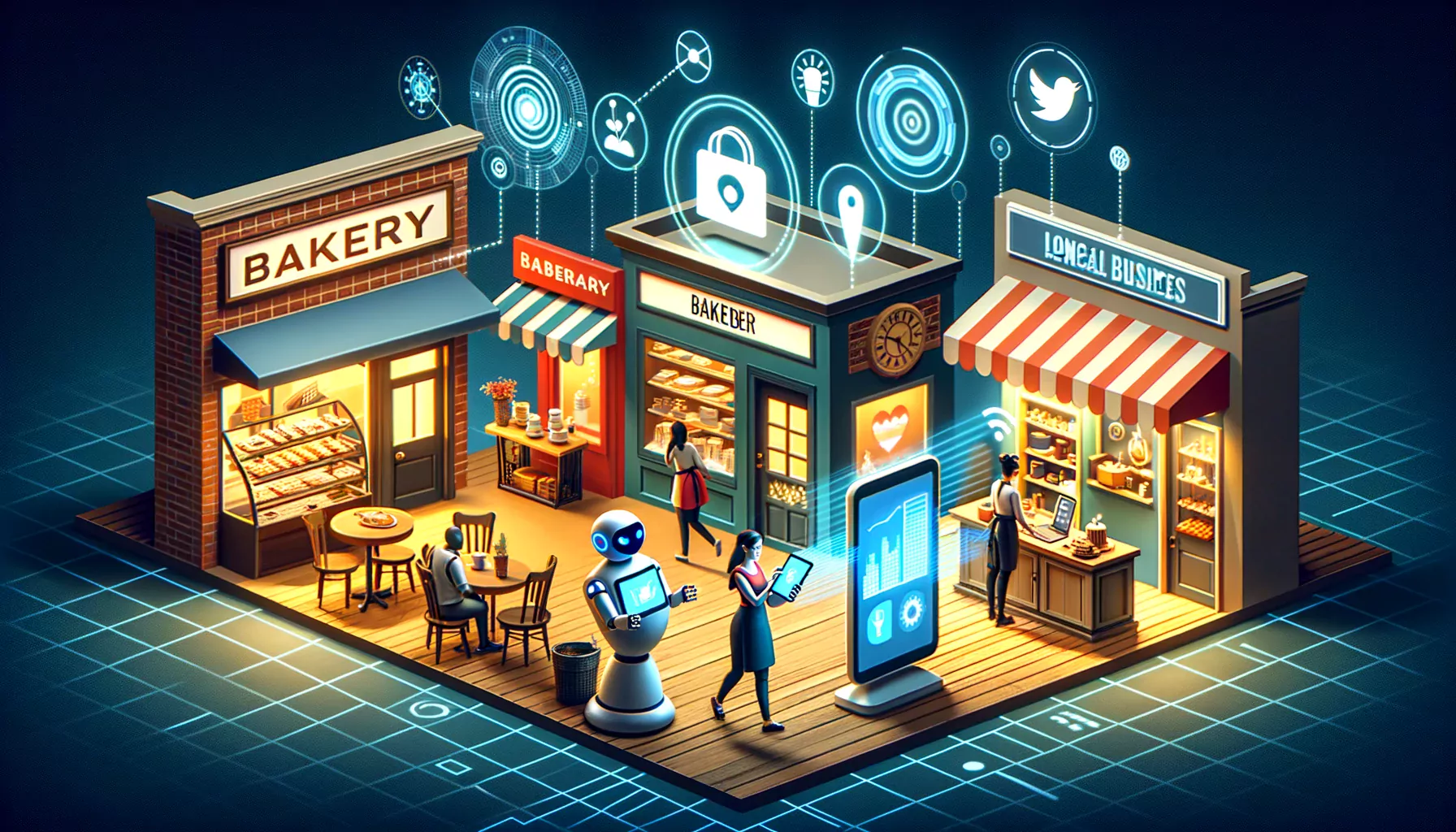
Artificial intelligence for local business near me is no longer a futuristic idea; it is a practical growth lever that saves time and delivers measurable results. Whether you run a boutique, dental practice, HVAC company, or restaurant in Lee's Summit, MO, AI can automate routine tasks and surface insights that boost revenue. From smarter ad targeting to automated customer service, small teams can act like bigger ones without adding payroll. The key is to choose clear use cases, align them with your data, and implement tools that integrate with your existing systems. In this guide, you will learn how to prioritize your first wins, select vendors, and measure ROI with confidence. By the end, you will have a playbook to implement AI responsibly, profitably, and at a pace your team can handle.
Assessing readiness and use cases for artificial intelligence for local business near me
Start by mapping where AI can create value quickly, such as lead routing, appointment booking, or inventory forecasting. List your highest-friction tasks, then rank them by impact and feasibility, focusing on data quality and workflow fit. For example, a Lee's Summit boutique might forecast demand by analyzing POS history and seasonality to optimize orders. A dental office could use natural language tools to summarize voicemails and auto-populate the practice management system. To validate your list, set baseline metrics like response time, no-show rates, or cost per lead and document them before any changes.
Use external benchmarks to calibrate expectations and avoid overreach in the first phase. Research indicates that businesses see early returns when they target well-scoped tasks with high repetition and clear outcomes. You can scan industry reports such as McKinsey's State of AI to understand adoption patterns and typical ROI ranges. As you shortlist use cases, consider privacy, consent, and bias, especially when handling customer reviews or messages. A simple policy that explains data sources, retention, and human oversight will build trust while you scale capabilities.
Selecting AI tools, vendors, and data pipelines
Choose tools that connect to your existing stack, such as your CRM, POS, website CMS, or advertising platforms. For customer service, consider AI chat or voice assistants that sync with your knowledge base, FAQs, and ticketing tools. In marketing, look for AI that enhances ad targeting, creative testing, and budget allocation without hiding performance details. For operations, evaluate forecasting tools that plug into Square, Shopify, or QuickBooks to reconcile sales, returns, and seasonality. Prioritize vendors that provide transparent pricing, clear data usage terms, and strong support for small businesses.
Build a light data pipeline so information moves cleanly and securely between systems. Use native integrations first, and add connectors like Zapier or Make only when necessary to reduce maintenance. Define your data dictionary, including fields for source, consent status, and last update, so reports stay accurate. Pilot with one location or service line to reduce risk and prove ROI before scaling across teams. If you need implementation help, review the services offered by local experts who specialize in small business systems and AI.
Implementing AI for local marketing, SEO, and customer service
AI can supercharge local discovery by improving how you manage your Google Business Profile, reviews, and location pages. Use AI to draft timely responses to reviews while keeping a human in the loop for tone and accuracy. Generate structured data for your location pages to help search engines understand services, hours, and service areas. Deploy chatbots that answer common questions, capture leads, and route urgent issues to staff via SMS. Improve ad performance by using AI to test headlines, images, and offers based on local demand patterns.
Blend automation with authenticity to build community trust and repeat business. Offer geofenced promotions tailored to neighborhoods around Lee's Summit, and use predictive models to time offers before demand spikes. Train your assistant on policy documents, warranties, and pricing so replies stay consistent across channels. Track conversions from calls, chats, and forms with UTM tags and call tracking to attribute revenue accurately. For more background, review Google's guidance on Business Profile messaging to maintain fast, compliant responses.
Measuring ROI, compliance, and continuous improvement
Define clear KPIs for each use case, such as response time, booked appointments, ad ROAS, or average order value. Instrument your funnel so every click, call, chat, and sale is tracked and attributed to a channel and campaign. Run A/B tests on creatives, offers, and chat flows to steadily lift conversion rates while keeping costs stable. Review dashboards weekly to identify patterns like peak inquiry times or high-intent keywords by neighborhood. Use those insights to adjust staffing, inventory, and promotional calendars for compounding gains.
As you scale, adopt a governance framework that balances speed with responsibility. Document where AI is used, what data feeds it, and how humans supervise decisions that affect customers. Train your team on prompt writing, escalation protocols, and privacy practices, and include AI usage in onboarding. Review the NIST AI Risk Management Framework to align your policies with emerging best practices. When in doubt, keep a human review step for sensitive actions like pricing changes or eligibility decisions.
Artificial intelligence for local business near me creates leverage by automating routine tasks, sharpening marketing, and uncovering insights that drive growth. The winning formula is to start small, integrate with your existing systems, and measure the results that matter most. With disciplined pilots, clear KPIs, and responsible governance, you can scale confidently across locations and channels. If you are ready to plan your first 60-day AI pilot in Lee's Summit, MO, Strategic Business Growth Systems can help. Call (816) 305-5282 or visit StrategicBusinessGrowthSystems.com to schedule a consultation and get customized recommendations.
Frequently Asked Questions
What is the first step to implement artificial intelligence for local business near me?
Begin with a focused assessment of your highest-impact, repetitive tasks and the data you already have. Choose one or two use cases, such as review responses or appointment scheduling, that you can pilot in 30 to 60 days. Establish baselines for time savings, cost reduction, or lead conversion so you can measure progress objectively. Select tools that integrate with your CRM or POS and define a simple workflow with clear human oversight. This approach keeps risk low, accelerates learning, and builds momentum with quick wins.
How much budget should a small local business allocate to AI tools?
Most local businesses can start with a modest monthly budget that covers one or two core tools and light implementation. Expect entry-level chat, scheduling, or review tools to range from low double digits to a few hundred dollars per month. For marketing automation or analytics, costs vary based on volume, seats, and integrations, but many vendors offer small business tiers. Prioritize ROI by linking spend to specific outcomes like lower cost per lead or fewer missed calls. Reinvest a portion of the savings or new revenue into additional use cases as results prove out.
Will AI replace staff at local businesses, or simply augment them?
In most small businesses, AI augments staff by removing repetitive work while preserving human judgment and empathy. Front-desk teams can focus on complex questions while assistants draft routine messages and summarize conversations. Marketers can shift from manual reporting to creative testing and partnership building as analytics become automated. Operations leaders can move from reactive scheduling to predictive planning with better forecasts. The net effect is higher productivity, faster response times, and better customer experiences, not human replacement.
How can I keep AI usage compliant and trustworthy with customers?
Be transparent about where automation is used and provide easy ways to reach a human when needed. Obtain consent for data collection, clearly state retention policies, and give customers control to opt out of messaging. Train staff on privacy, bias awareness, and escalation so sensitive cases get human review promptly. Audit outputs periodically to ensure accuracy and fairness, especially in pricing, eligibility, or policy-related responses. Align your practices with established frameworks and document changes as your AI footprint grows.

© 2026 Strategic Business Growth Systems